This Is Why Spring in the Forest Heals You in Ways No Other Season Can
Why The Spring Season in the Forest Heals You Differently
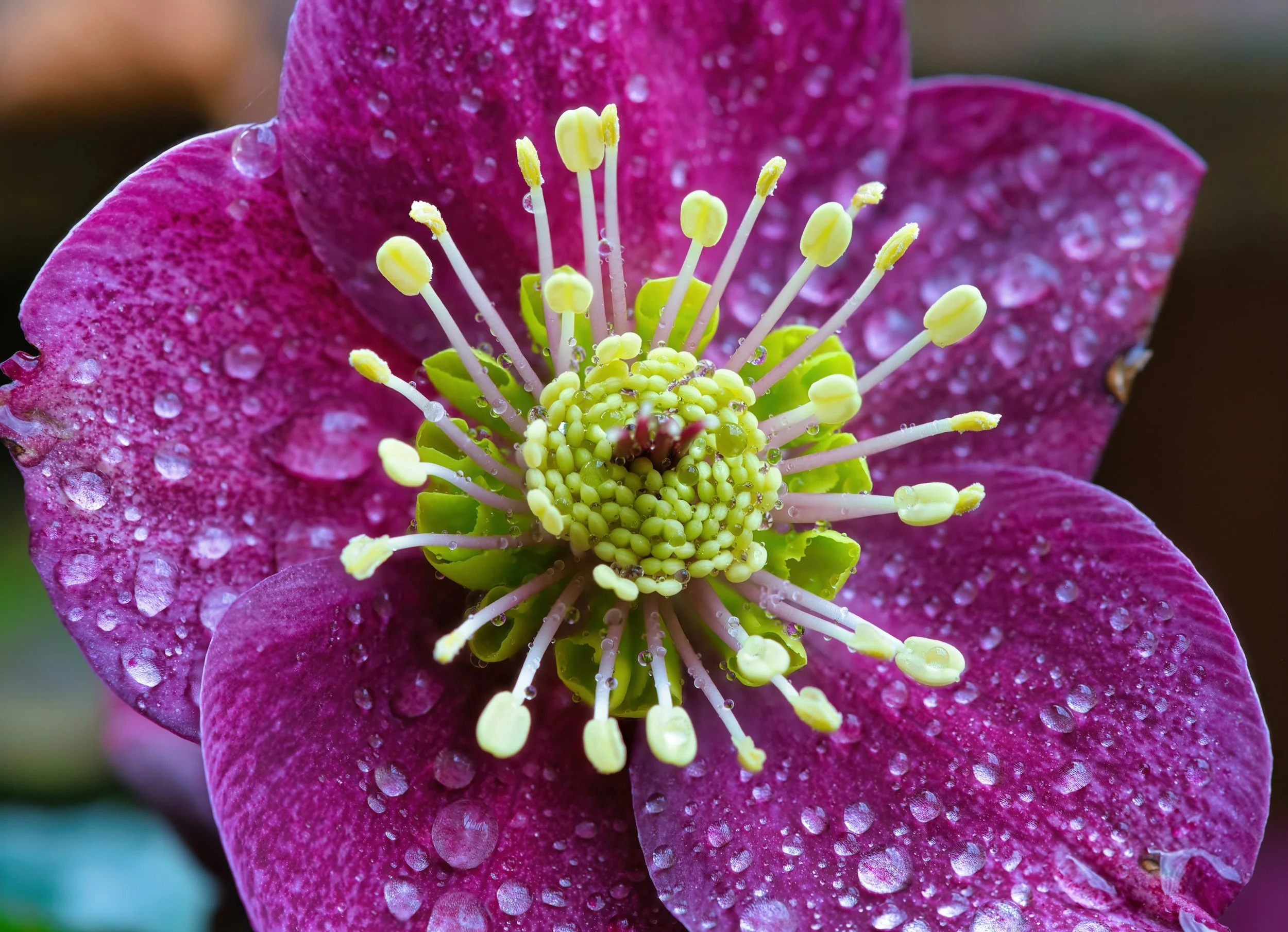
There’s a particular morning in early February I look forward to every winter. It is the day when I step into the forest, and I can realize the shift has begun.
That morning is groundhog day or “Imbolc” on the calendar. Something subtle has shifted and it is noticeable. The daylight lasts a bit longer, the air feels softer, and the forest floor starts to smell alive instead of asleep.
As a certified forest therapy guide, I’ve walked through every season with groups of adults who come seeking calm, clarity, or simply a break from the noise of life. While every season offers medicine, spring heals differently.
It doesn’t quite ground you the way fall does. It doesn’t cocoon you like winter, and it doesn’t expand you like summer.
Spring awakens you!
For many of us navigating busy careers, caregiving roles, or quiet burnout, that awakening can feel like exactly what was needed.
The Forest Wakes — And So Does Your Nervous System
One of the first things I notice guiding spring walks is how people’s posture subtly changes.
In winter, bodies tend to fold inward. Shoulders curve. Steps are careful. Conversations are minimal.
In spring, even before anyone consciously realizes it, there’s more upward movement. Faces tilt toward light. Steps become curious instead of cautious.
The Longer natural light brings a brighter mood. As daylight increases, your circadian rhythm recalibrates. Natural light exposure supports serotonin production and helps regulate sleep cycles. You may not label it as such, but many people report feeling “lighter” after a spring forest walk.
I remember guiding an early March session in a woodland preserve near Pickerington, Ohio. The trees were still mostly bare, but tiny leaf buds were visible if you looked closely. One participant paused mid-walk and said:
“I feel like I’ve been cooped up all winter. This feels like coming up for air.”
This is one of the amazing qualities of spring. It doesn’t jolt you awake, but gently lifts you up.
The Psychology of the First Green
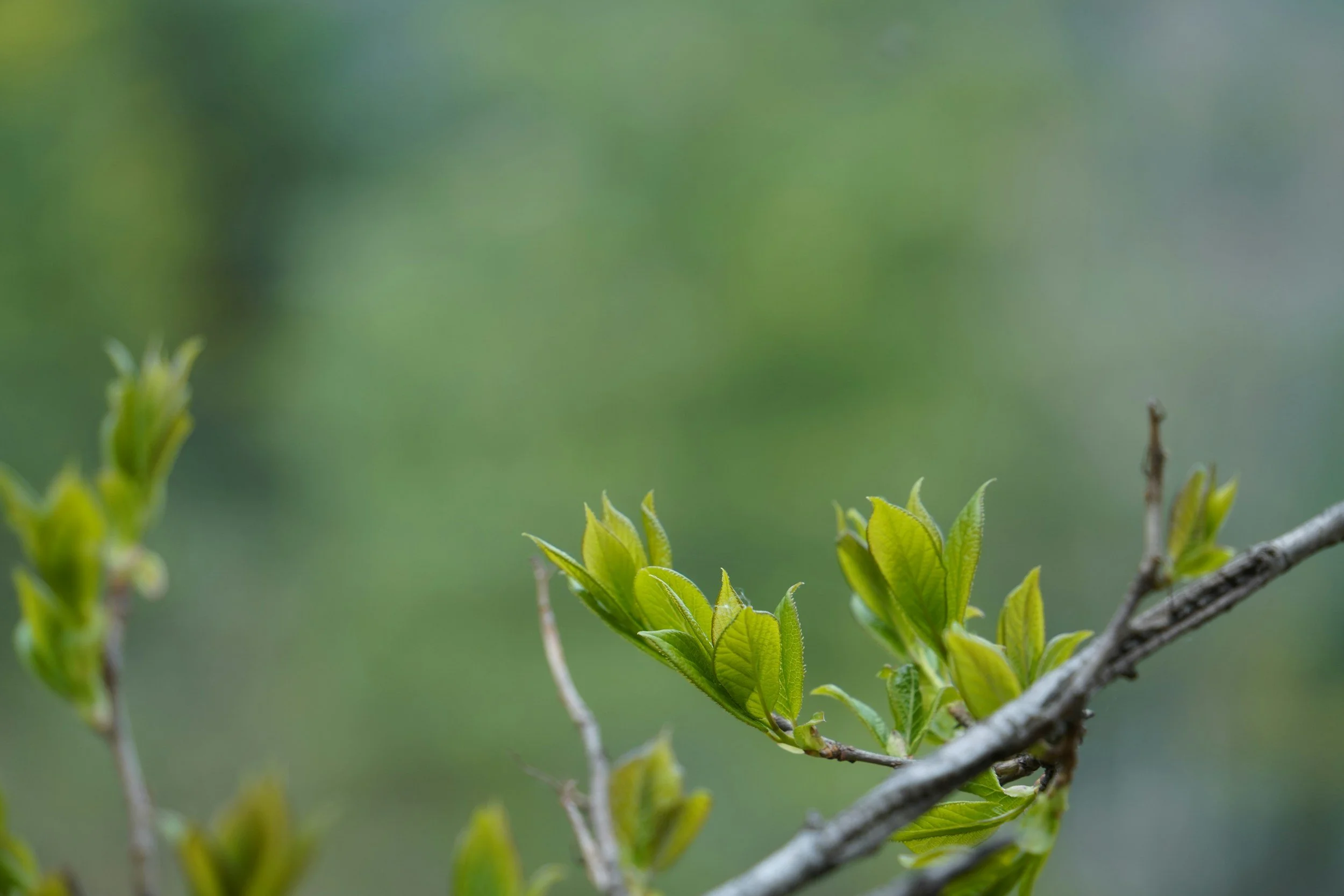
The green of early spring is different from summer. It’s softer, brighter, and almost luminous, but why does “Soft Green” calm the mind?
Research in environmental psychology suggests that green tones reduce mental fatigue and soothe the visual system. But early spring green carries something more penetrating.
After months of gray and brown, your brain registers fresh growth as possibility and this possibility is powerful medicine.
When I guide walks in the spring or during early bloom, participants often fall into a quiet awe—not because the forest is fully lush, but because it’s in process.
There’s something deeply reassuring about watching a forest not yet complete. You don’t have to be in full bloom to be becoming. What I mean by that is you do not need to be perfect, finished, or at your peak to be worthy, valuable, and growing. It is a call to embrace the process of personal growth (the "becoming") rather than waiting for a final, ideal state ("full bloom").
Birdsong as Gentle Activation
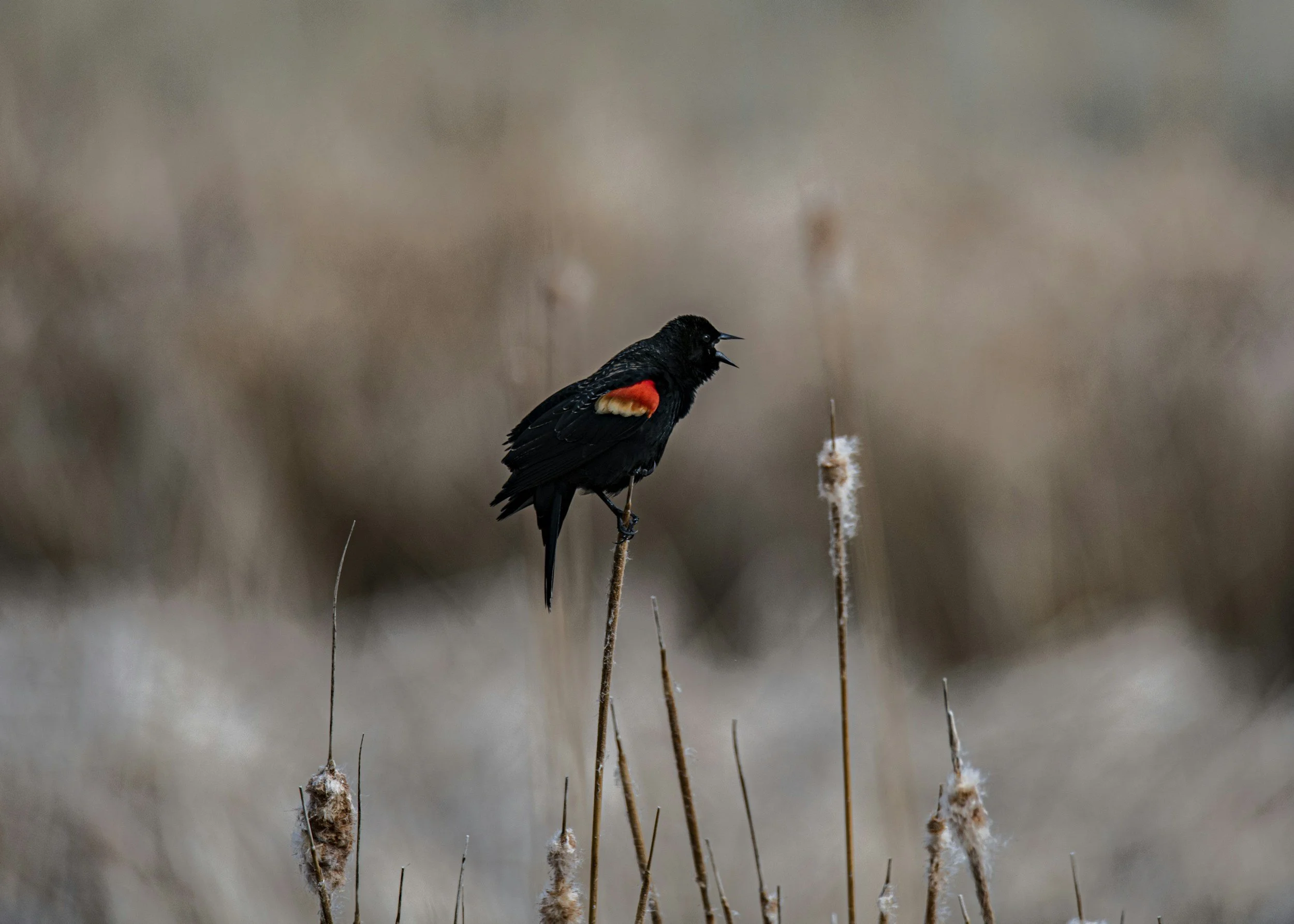
Spring sings, and it one of my favorite soundtracks! The return of birdsong has a subtly energizing effect on the nervous system. It invites alertness and awareness but not alarm.
I guided a walk last March where we paused simply to listen. Within minutes, the forest layered itself in sound—robins, wrens, woodpeckers all singing or tapping in the distance. One participant actually started to tear up. When I gently checked in, she laughed and said, “I forgot what this sounded like”. That’s something I hear often on forest bathing walks, especially in the spring. Spring is special because it reminds us to be in the moment. Instead of rushing to “bloom” gently take the time to “unfold”. Grow… but at your own pace.
The Smell of the Earth and Memory
If you’ve ever stepped into a forest after spring rain, you know the scent.
It’s richer than winter. Fresher than fall. The warming soil releases petrichor—a mineral, earthy aroma that many of us associate with childhood.
On one April walk, I invited participants to kneel and gently disturb the soil with their fingertips. Just enough to release scent.
A man in his early 40s closed his eyes and said, “This smells like the backyard I grew up in as a young kid.”
Scent bypasses analytical thinking and moves directly into emotional memory. For those carrying stress or mental overload, this sensory shortcut can bring unexpected relief.
Spring doesn’t just activate your mind.
It reconnects you to parts of yourself you may have misplaced.
Growth Without Force
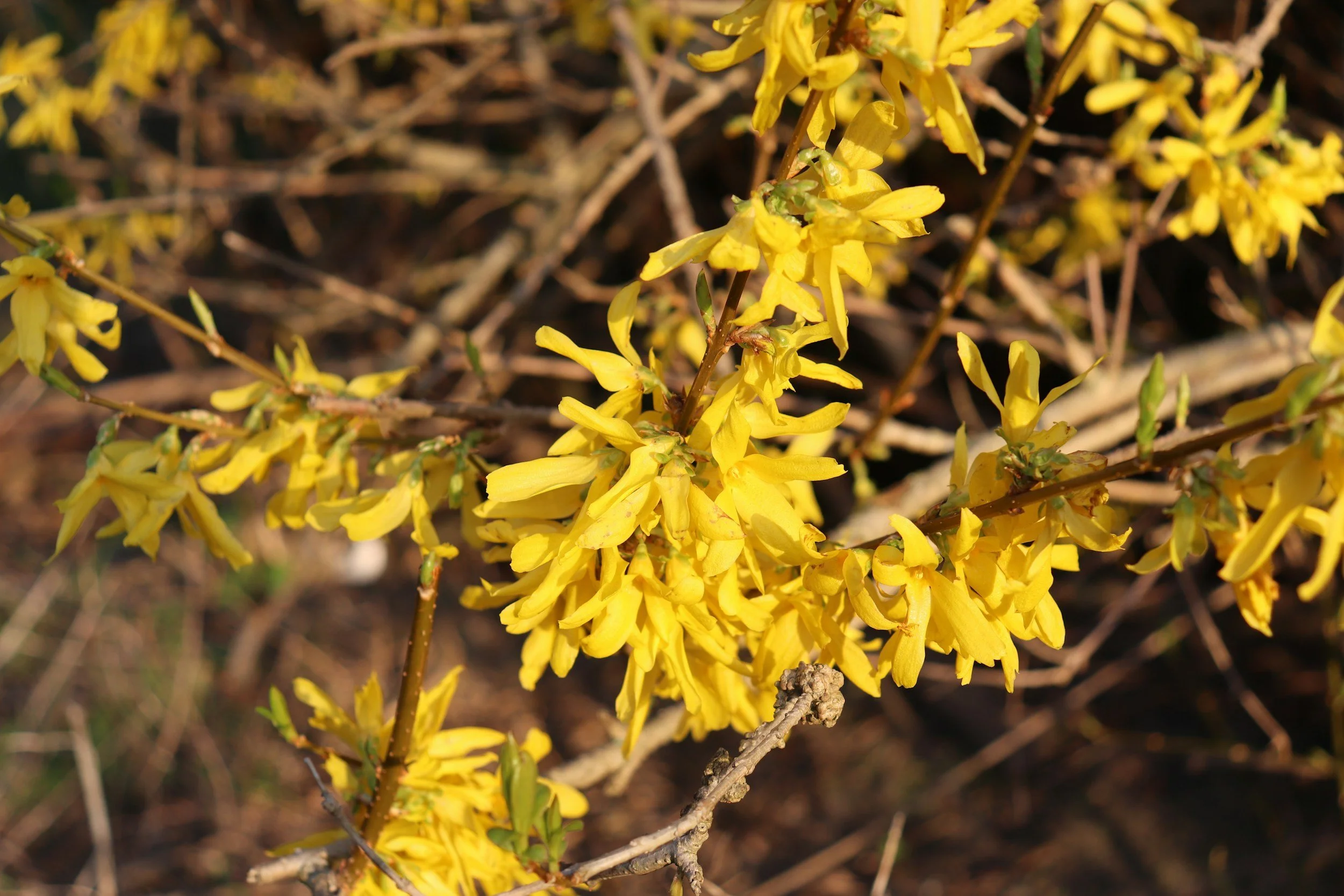
The forest doesn’t rush spring. Buds don’t strain open. Wildflowers don’t compete. They unfold when conditions are right. That’s an important message for high-achieving adults. Many of you are used to pushing, planning, and performing. Spring invites small beginnings instead of dramatic reinvention.
I’ve watched participants feel relieved when they realize they don’t need a five-year plan in the forest. Sometimes noticing a single bud is simply enough.
Movement Feels Different in Spring
Walking in spring carries a subtle excitement.
You’re scanning for signs—mushrooms, blossoms, returning insects. There’s curiosity in your stride.
In forest therapy, we move slowly. Slower than a typical hike. In spring, that slowness feels natural because there’s so much to discover in small spaces.
A fallen log becomes a nursery of life.
A puddle reflects bright sky.
A patch of sunlight feels like a spotlight.
Curiosity is healing, and it interrupts repetitiveness. For people navigating anxiety or some midlife uncertainty, curiosity offers a gentle alternative to worry.
The Forest Doesn’t Rush Spring — And Neither Should You
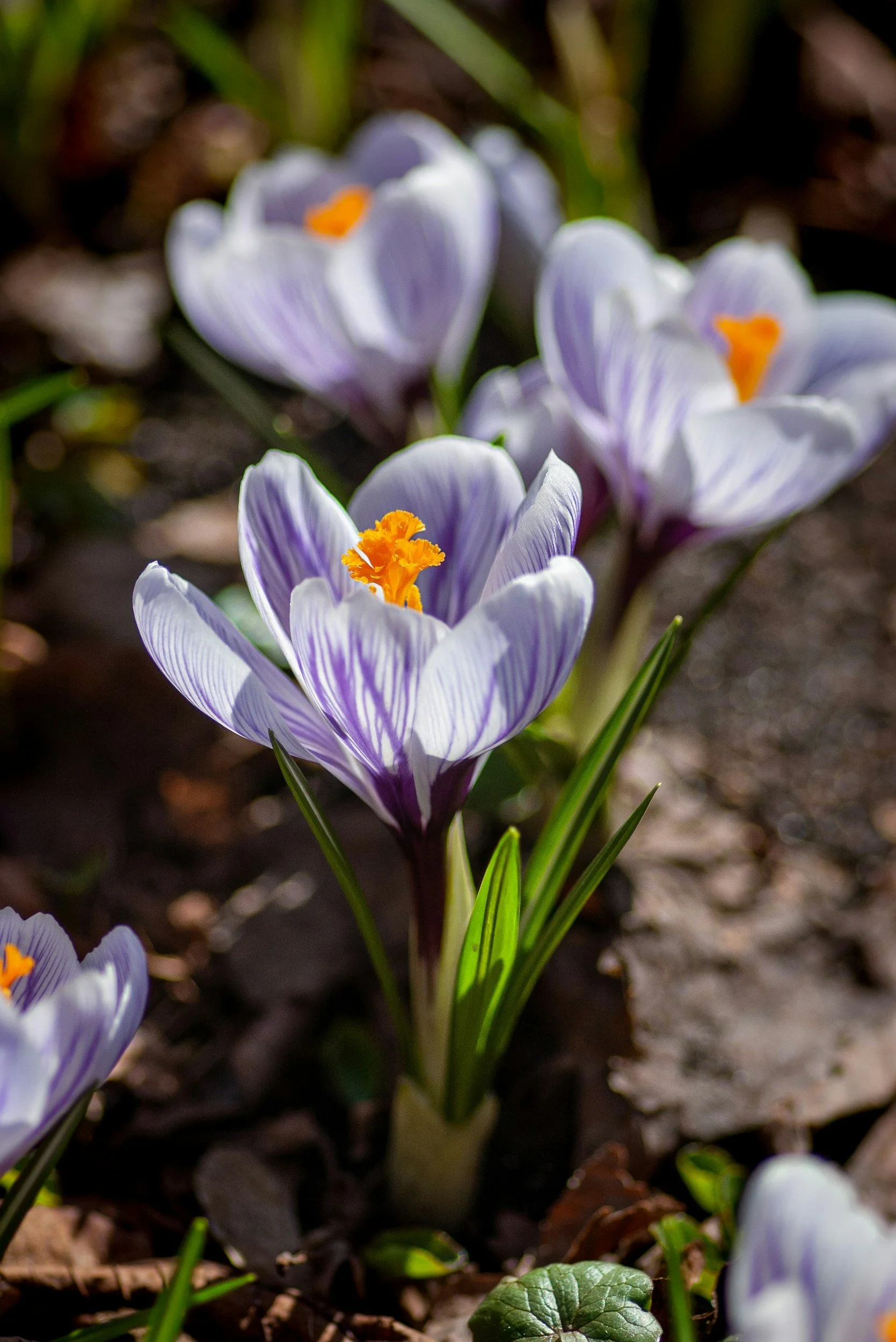
If you’re feeling heavy after winter—emotionally, physically, or mentally—spring in the forest can gently recalibrate you.
It heals differently because it:
Restores light to your internal landscape
Activates curiosity instead of urgency
Models growth without force
Rekindles hope in subtle ways
Just step into the woods as the forest awakens.
Notice the buds.
Listen to the birds.
Inhale the earth.
The forest is beginning again and maybe you are too.
BOOK your forest bathing experience with us today!