Wonderment and Forest Bathing.
The Role and Experience of Wonderment in Forest Bathing
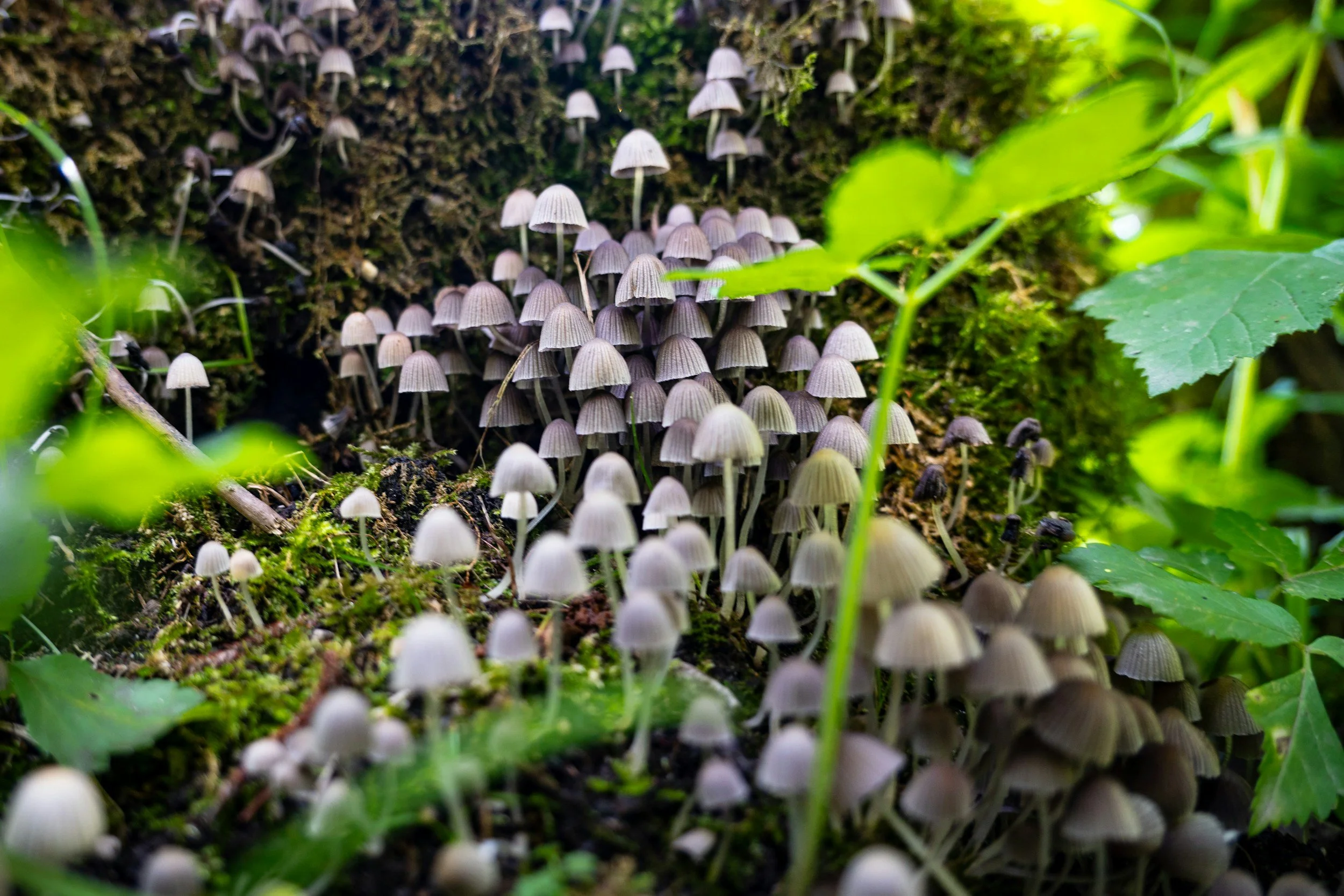
Why wonder still matters—and how the forest helps us find it again
There is a notable moment I frequently see on forest therapy walks that usually happens about 30 or 40 minutes in. It is one of the most fascinating parts of this practice. Bodies begin to relax and breathing slows. Someone stops mid-step, tilts their head, and just… notices something. Not because I told them to, not because it was impressive or rare, but because their system finally had enough space to be curious.
That moment… That’s wonderment!
And for many adults—especially those of us juggling responsibilities, caregiving, work stress, and a constant stream of information—it can feel unfamiliar. Even indulgent. Forest bathing gently reminds us that wonder isn’t childish, impractical, or extra. It’s actually essential.
What Wonderment Means in Forest Bathing

Wonderment in forest bathing is not about big, dramatic moments. It is also not about scenic overlooks or “wow-factor” landscapes. It is a bit quieter and more personal than that.
How wonder shows up:
A sudden fascination with how light lands on a leaf
Curiosity about the texture of bark beneath your fingertips
A sense of time loosening its grip
The excitement of witnessing a hawk soar through the branches
As a certified forest therapy guide, I don’t try to create wonder. I create conditions where it can arise naturally. Slowness. Spaciousness. Permission to notice without needing to explain.
One participant once said to me, “I didn’t realize how long it had been since I let myself just be in the moment. The time just flew by.” That’s wonder reclaiming its place.
Wonderment Is Not the Same as Learning
Information from learning engages the mind, while wonder engages the whole body. In forest therapy we call this the “somatic” experience. People arrive on their first forest bathing walk expecting facts—tree names, medicinal properties of plants, ecological explanations. While there’s nothing wrong with learning, wonder doesn’t require knowledge.
In fact, too much explanation can sometimes get in the way.
I remember guiding a group where one participant kept identifying every tree aloud. Halfway through the walk, I offered an invitation to spend time with a tree without naming it. Just noticing shape, color, and presence.
Later, that same person told me it felt “relieving” to let go of knowing. They said it made the forest feel more alive—and less like something to master and tend too.
Wonder doesn’t ask us to be experts. It asks us to be present.
The Nervous System Loves Wonder
Why calm often follows moments of awe
From a physiological standpoint, wonderment is powerful. When we experience gentle awe, the nervous system often shifts out of high-alert mode. Breathing deepens, muscles become less tense, and thoughts slow.
This is one reason forest bathing is so effective for people.
I’ve seen participants arrive restless, chatty, and visibly tense or nervous. After a simple invitation—like noticing how the forest holds stillness—they become quieter without trying. There is no effort and no fixing. Just a being in the moment in a natural settling.
Wonder gives the nervous system a break from vigilance. It says, “You’re safe enough to look around.”
How Forest Bathing Invites Wonder
Forest bathing works because it’s intentionally slow and non-goal-oriented.
Slowness changes perception
When you walk slowly—much slower than usual—you begin to see differently. Patterns emerge, details appear, and things you’ve passed hundreds of times suddenly feel new.
On one walk, a participant spent fifteen full minutes with a fallen log. At a sharing circle (a standard activity on a forest bathing session), they laughed and said, “I drive past forests every day. I forgot this was happening inside them.”
Nothing new had appeared. The pace just changed.
The power of sensory invitations

Forest therapy invitations are gentle prompts to engage the senses:
Listening without searching
Touching without analyzing
Looking without labeling
These invitations are designed to bypass the thinking mind and reawaken curiosity. Wonder often follows naturally when the senses are engaged without pressure.
Finding Wonder in the Ordinary:
You don’t need a pristine wilderness
One of the biggest misconceptions I hear is, “I don’t have a magical forest near me.”
The truth? Wonder thrives in overlooked places.
I’ve guided walks in quiet large preserves, noisy suburban parks, and simple narrow strips of trees between parking lots. Wonder shows up when ever we slow down enough to notice what’s already there.
One participant once became completely absorbed in watching ants move across a stone. Another spent time noticing how many shades of green existed in a single square foot. Wonder doesn’t require perfection. It requires attention.
Wonderment and Emotional Healing
Why wonder sometimes brings tears
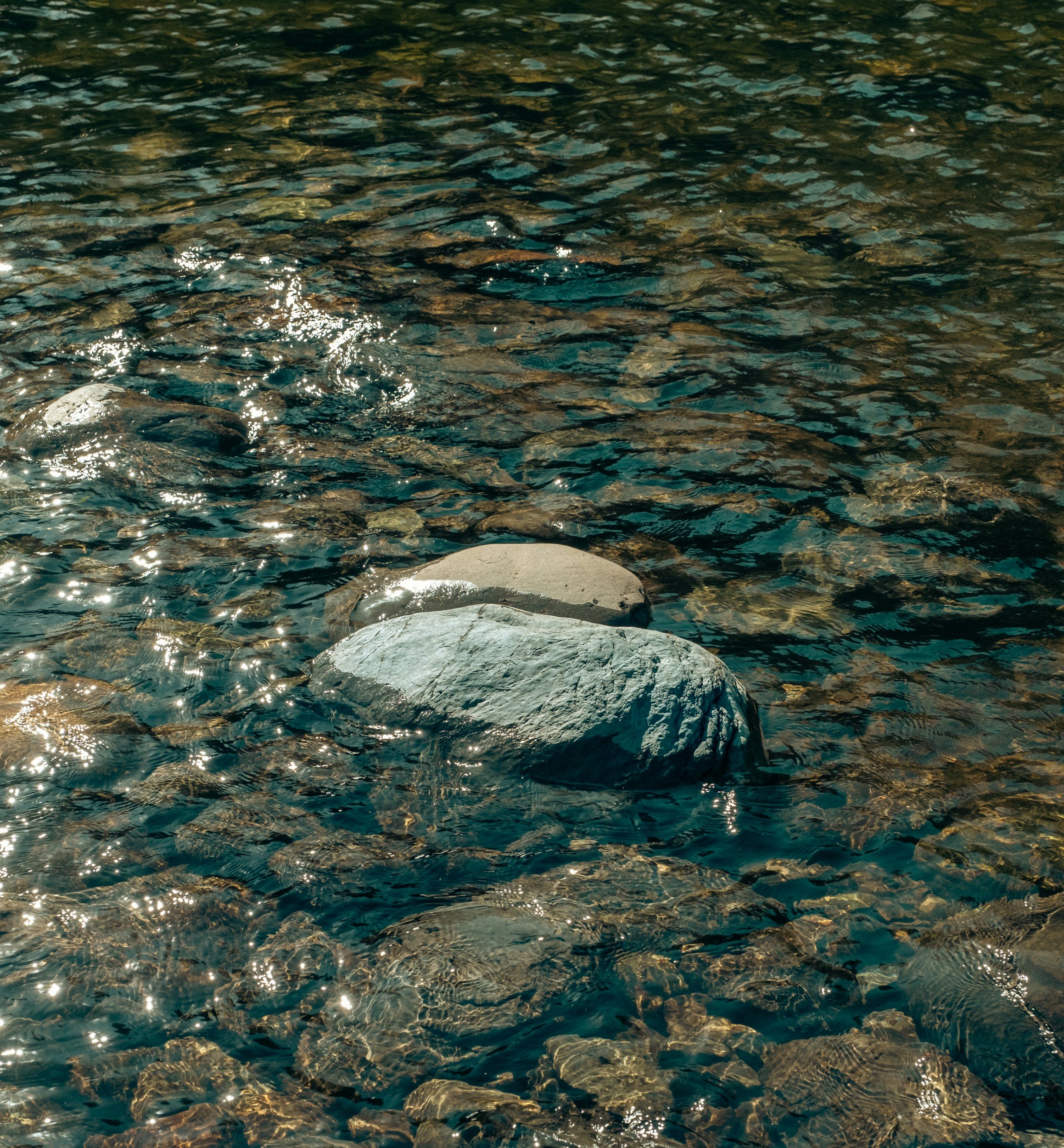
This surprises people.
Moments of wonder can open emotional doors we didn’t realize were closed. When the nervous system relaxes, feelings we’ve been holding at arm’s length sometimes surface.
I’ve had participants apologize for crying during a walk. I always tell them the same thing: nothing is wrong.
Wonder creates spaciousness. In that space, relief, gratitude, grief, and joy can all coexist. The forest doesn’t rush us through these moments. It allows them to unfold at their own pace.
A Sense of Belonging Returns
Remembering we are part of the natural world
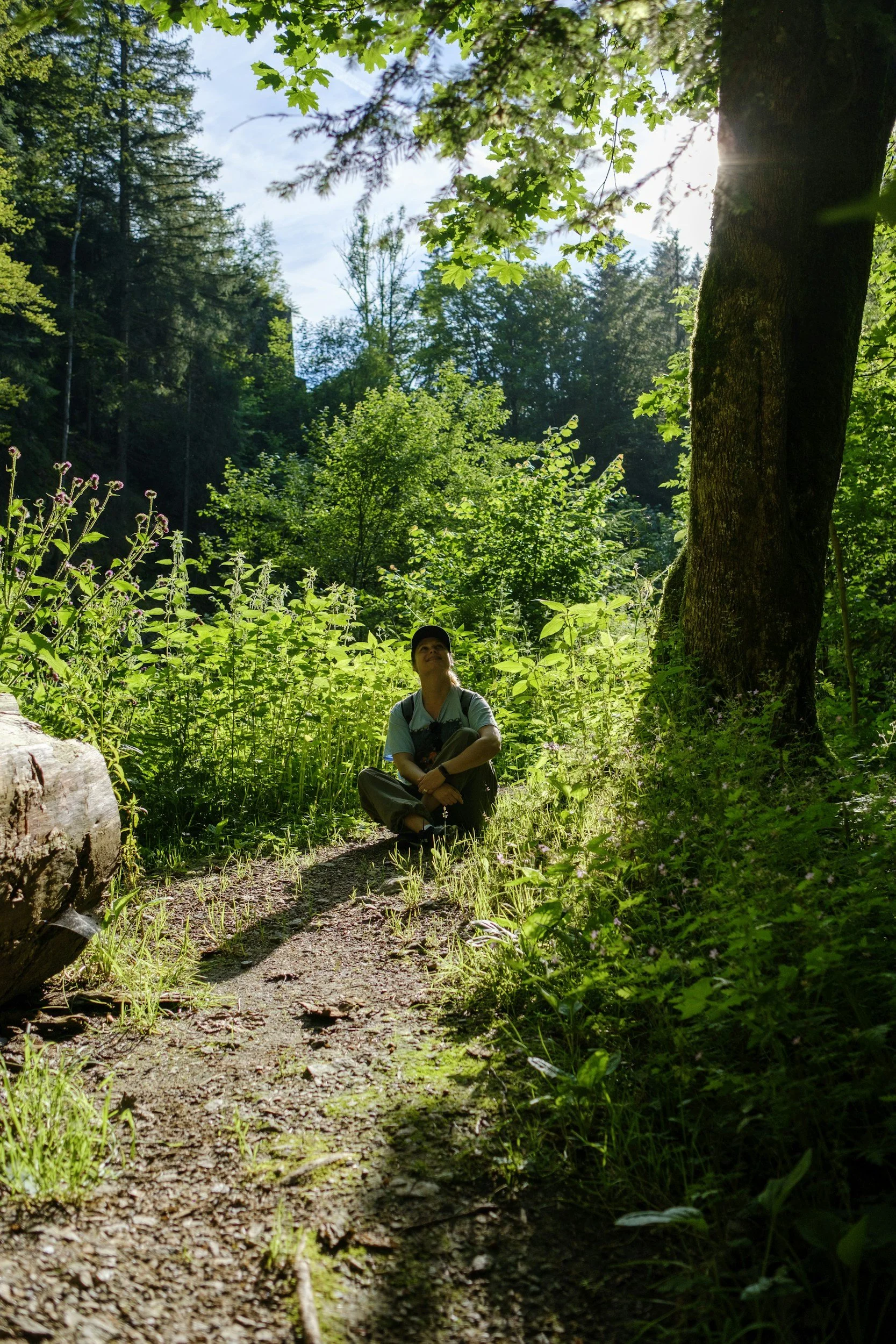
Many adults carry a subtle sense of separation from nature, from others, and even from themselves. Forest bathing, through wonder, gently dissolves that feeling.
When someone feels moved by a tree, a stone, or a patch of sunlight, they’re not just appreciating beauty… They’re remembering connection.
I often hear phrases like:
“I forgot I belong to nature.”
“I didn’t realize how much I needed this.”
“I feel less alone than I did an hour ago.”
Wonder reminds us we are participants in the living world, not observers outside of it.
Why Adults Need Wonder More Than Ever
Between the ages of 30 and 70, many people are deeply practiced in responsibility. Wonder can feel inefficient or frivolous.
But here’s what I see as a guide: the people who resist wonder the most often need it the most.
Letting go of productivity
Forest bathing invites you to stop optimizing, improving, and achieving. Wonder doesn’t care what you accomplished today. It doesn’t ask for results.
One participant once said, “This is the first time all week I didn’t feel like I was falling behind.”
That’s not laziness. That’s restoration!
Wonder Is a Practice, Not a Personality Trait
You don’t have to be naturally curious or artistic or “into nature” to experience wonder. You just need permission to slow down and notice. An ANFT certified forest therapy guide is trained to create space that helps participants find wonder.
As an ANFT certified forest therapy guide, I’ve learned this: the forest doesn’t demand wonder from us. It offers it—patiently, repeatedly, without expectation.
And when we finally accept the invitation, something inside us remembers how to rest.
If you’re seeking calm, not as an escape but as a return, wonder may be the most reliable guide you didn’t know you were missing.
BOOK your forest bathing experience with us today to explore wonderment and so much more!